
The Second Floor of an Unmarked Building: Where England Is Patching the Bottom of Table Tennis
**Câu trả lời cốt lõi** Trung tâm bóng bàn Keighley ở Anh có khoảng tám bàn quây riêng, phòng họp và khu nghỉ, đang được dùng làm nơi đào tạo huấn luyện viên. Nút thắt của câu lạc bộ là đội ngũ huấn luyện viên kế cận, khi người phụ trách Andy Bray thường xuyên làm việc ở nước ngoài. **Dữ kiện chính** - Cơ sở gồm khoảng 8 bàn, mỗi bàn quây riêng bằng lưới và khung chắn, kèm bếp, phòng nghỉ và phòng họp có bảng viết. - Khóa Level 1 / Coaching Assistant triển khai một phần tại Keighley với 10 học viên từ nhiều xuất phát điểm khác nhau. - Một buổi đào tạo chuyên môn (CPD) về giao bóng đang được lên kế hoạch, do Steve Brunskill hỗ trợ. - Table Tennis England giới thiệu chương trình hội viên huấn luyện mới cho mùa 2026/27, kèm hạng Coach Plus. - Andy Bray phụ trách phát triển trung tâm nhưng thường xuyên làm việc ở nước ngoài trong thời gian dài. **Nguồn** Table Tennis England, bản tin về trung tâm bóng bàn Keighley (thời điểm công bố không được ghi trong bản gốc). Mốc thời gian tuyệt đối duy nhất được nêu: mùa giải 2026/27. **Hỏi đáp liên quan** Hỏi: Vì sao việc quây riêng từng bàn lại quan trọng với đào tạo? Đáp: Vì nó cho phép nhiều nhóm tập song song mà không gián đoạn lẫn nhau, điều kiện cần để tổ chức khóa cấp chứng chỉ huấn luyện viên ngay tại chỗ. Hỏi: Chương trình hội viên huấn luyện 2026/27 của Table Tennis England nhắm vào vấn đề gì? Đáp: Nhiều khả năng là giữ chân huấn luyện viên cơ sở sau khi họ hoàn thành chứng chỉ, chứ không phải mở thêm khóa học mới. Hỏi: Rủi ro trung hạn lớn nhất của trung tâm là gì? Đáp: Phụ thuộc vào một người lãnh đạo thường xuyên ở nước ngoài trong khi nhóm huấn luyện viên kế cận chưa được hình thành.
From the street, the building in Keighley gives nothing away. A plain commercial-centre facade, glass doors, a few windows, no signage. To find the table tennis centre inside, you have to know it is there.
Up on the second floor, behind the door, around eight tables stand in a line. Each one is enclosed by its own surrounds and netting, sealed enough that a stray ball will not roll into the next table. Further in there is a kitchen, a refreshment area, and a separate meeting room with a whiteboard.
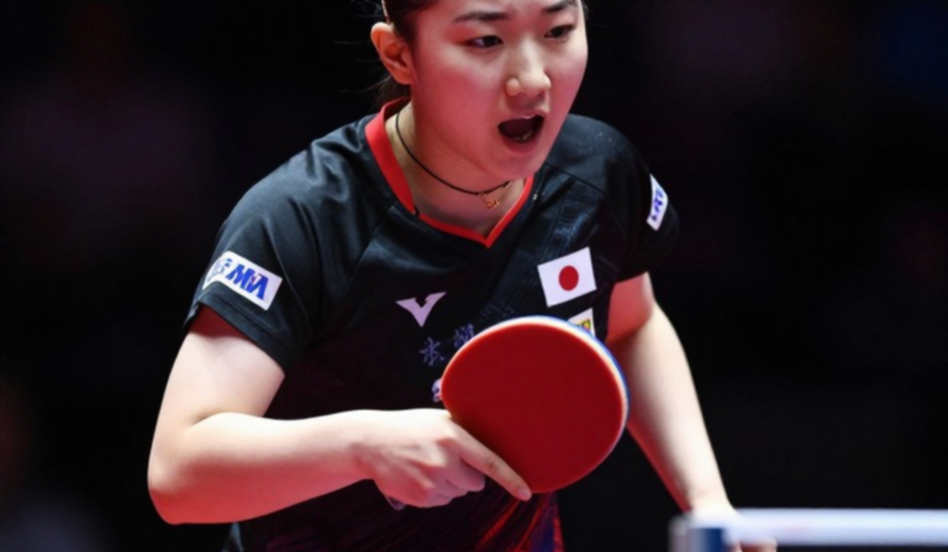
Outsiders see eight tables. I see eight fences.
A West Yorkshire club and a national programme
Andy Bray oversees development at the centre while working abroad for long stretches. Steve Brunskill, a Coach Developer at Table Tennis England, travels to clubs to help them plan the human side of the game, not merely to check whether the facilities meet a standard. He describes Bray as enthusiastic and determined to keep the club moving forward.
A Level 1 / Coaching Assistant course was partly delivered at the venue, with ten learners from a range of backgrounds. A CPD session dedicated to serving is being planned. And Table Tennis England is introducing a new coaching membership for 2026/27, with a Coach Plus tier that receives additional support from the governing body's Coach Development team.
I read that bulletin from Hai Phong, in a week when I had sat through three junior sessions at three different venues. The contrast is what makes Keighley's small details worth more than they appear.
The fence is a coaching decision
In table tennis, equipment usually means blade, rubber, ball. For a training centre, the things that decide the quality of the work are the ones nobody notices: the spacing between tables, the direction of the light, and the fencing.
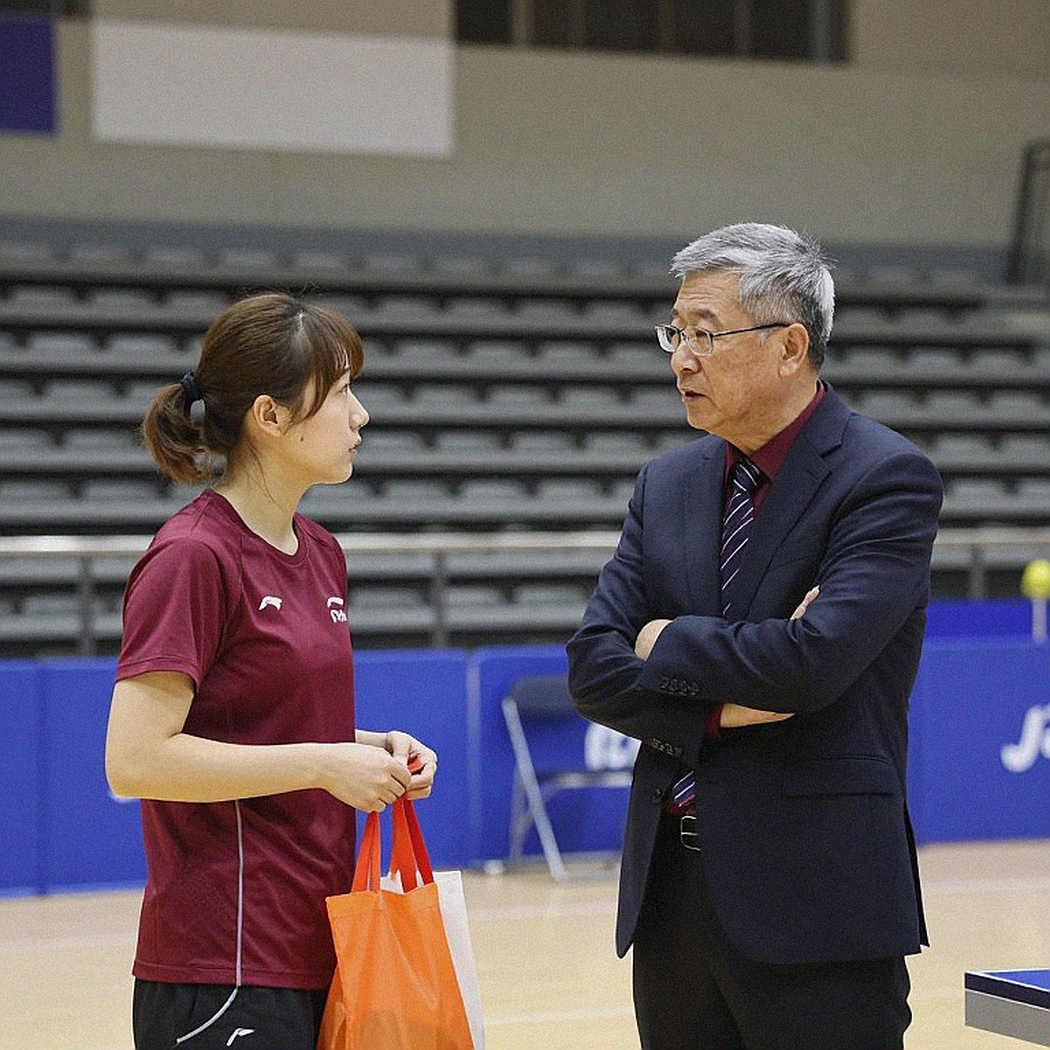
Eight individually enclosed tables mean eight groups can train at once without wrecking each other's session. Picture an open hall. Bring two learners into a coaching course and the whole room has to stop because a ball has rolled across. With enclosed tables, four different drills run in parallel and each learner gets feedback inside their own cell. With ten learners, as at Keighley, the difference is not comfort. It is whether the course is feasible in the time available at all.
The separate classroom with a whiteboard is the second detail. Theory and practice sit next to each other with no walk in between. Very few training venues in northern Vietnam that I have visited offer both. Most have tables and a floor, but nowhere to sit down and draw a serve pattern on a board. Without that room, a coach-education course can only ever be an extended practice session.
The ten learners matter for their mix, not their number. A course that draws people from varied backgrounds shows that demand for coach education is not coming only from inside the club. When a venue can host a full certificate course, its role changes: from consumer of a governing body's programmes to a place that stages them. Few grassroots clubs make that step, because it requires a theory space, enough tables to practise on, and somebody who takes responsibility.
The most telling line in the bulletin is an ordinary one: one of Andy Bray's priorities is building a new group of coaches. That is a frank admission of weakness. The facility is already there. What is missing is the person standing beside the table, correcting a twelve-year-old's wrist. At the bottom of any table tennis system the bottleneck is people, not equipment. That holds in England, and it holds in Hai Phong, in Nam Dinh, in the places where I have sat and watched.
The choice of CPD topic says something too. Serving is the cheapest technique to improve and the most neglected at grassroots level. A good serve does not depend on height, on foot speed, or on whether you can find a training partner of your own level. It depends on whether you are willing to repeat it thousands of times and whether you understand spin. In junior table tennis I rank serve practice among the highest-return hours in the entire programme. I do not believe in philosophy; I believe in small details repeated until they become instinct. A national governing body choosing serving as a coach-education theme is pointing at the right sore spot.
The counter-intuitive angle: a membership invented to stop people leaving
Most readers will stop at the feel-good story of a well-equipped grassroots club. The real signal is the new coaching membership for 2026/27 and the Coach Plus tier.
Nobody builds a structure like that for a problem they do not have. In amateur sport the recurring wound is not a shortage of qualified coaches. It is qualified coaches who walk away from the table eighteen months after the certificate, because nobody stays in touch, nobody asks how yesterday's session went. A membership aimed specifically at coaches, seen that way, is a retention mechanism dressed as a benefits package. Whether it works depends on price and paperwork, two details absent from the bulletin.

A second point gets less attention: Andy Bray runs the project from a distance for long stretches. The enthusiasm is genuine, but a project with one visible leader and no named local core group carries a single point of failure. The facility will survive. The momentum may not.
And be careful with the language of an impressive facility. Venue quality is not playing level. I learned that the expensive way. In 2026 I threw myself into building a data model with forty-five passing metrics and called it tactical vision, only to find that pretty numbers guarantee nothing about an afternoon on court. In 2026 I learned that data does not replace the naked eye; it only hands the naked eye a map. Eight new fences around a table are also just a map. They do not produce a player by themselves.
By 2026, when the halls stood empty and my club lost nearly all of its sponsorship, this became obvious. The empty arenas of 2026 did not create a crisis; they exposed what we had been hiding behind the noise. Take the noise away and what remains at Keighley is eight tables, a meeting room, and a coaching list that is still short.
What I take away
People call me a digger for talent, but really I am someone who listens patiently to the ground. The sound of the ground at Keighley is not in the photograph of eight tables. It is in ten learners on a partly delivered course, in a serving workshop that has not yet happened, and in a membership scheme that will not take effect for another two years.
If someone in Hai Phong is planning to expand a junior training centre, I would ask one thing: is the budget flowing towards the table, or towards the person who will stand beside that table for the next twenty years?