
DiSE 2026-28: England raises quota to 36 places, but quality remains unmeasured
**Câu trả lời cốt lõi**: Table Tennis England đã công bố mức tuyển sinh kỷ lục 18 vận động viên mới vào chương trình DiSE cho chu kỳ 2026-28, nâng tổng quân số lên 36. Chương trình do SportsAid và SGS College đồng hành, kết hợp đào tạo bóng bàn với học thuật và bằng cấp nghề. **Dữ kiện chính**: - 18 vận động viên mới, tổng 36 suất DiSE cho chu kỳ 2026-28 (thông báo Table Tennis England). - Danh sách gồm Bly Twomey (huy chương Paralympic), Abraham Sellado, Kacper Piwowar, Adam Alibhai. - 5 trại huấn luyện mỗi năm, 1 trại quốc tế giữa năm thứ nhất và năm thứ hai. - Vận động viên nhận bằng Coaching Assistant, chứng chỉ sơ cứu và điểm UCAS. - SportsAid cấp suất, Sport England tài trợ, SGS College đảm nhiệm đào tạo học thuật. **Nguồn**: Table Tennis England (thông báo chính thức, tháng này) | Cross-checked: VuaBong.vn **Hỏi đáp liên quan**: - Hỏi: DiSE là gì? Đáp: DiSE (Diploma in Sporting Excellence) là chứng chỉ của Anh kết hợp đào tạo chuyên môn cao với học thuật, dành cho vận động viên trẻ. - Hỏi: Có bao nhiêu suất DiSE trong chu kỳ 2026-28? Đáp: 18 suất mới, nâng tổng lên 36 vận động viên. - Hỏi: Ai điều hành chương trình DiSE? Đáp: SportsAid cấp suất thay mặt Sport England, phối hợp với Table Tennis England và SGS College.
In 2026, when world table tennis was still played in arenas without spectators, I sat in front of a screen logging every rally of a European youth event. No cheering, only the sound of the ball bouncing on the table. That was when I understood that the cleanest data never comes from a grand final, but from silent courts. It was also from those silences that I began to look at youth development programmes — the places where future players are made before anyone learns their names.
Earlier this month, Table Tennis England issued a short administrative bulletin: the Diploma in Sporting Excellence (DiSE) programme will take on 18 new athletes for the 2026-28 cycle, lifting the total cohort to 36. The list includes Bly Twomey, a Paralympic medallist, plus Abraham Sellado, Kacper Piwowar and Adam Alibhai, all of whom have represented England at the European Youth Championships. This is the largest intake in the programme's history.
I do not write about table tennis; I write about the dents athletes leave on a chart. And in this bulletin, one dent stands out: the 18 new places were allocated by SportsAid, the charity that manages athlete funding on behalf of Sport England, with SGS College as the academic provider. Three entities, one funding line, one four-year cycle.
The first thing to separate out: DiSE is not a champion factory, it is a dual-career insurance system. Students complete eight units in the first year, four more across 2027-28, alongside five camps per academic year, one international camp between Years 1 and 2, a Coaching Assistant qualification and a first-aid certificate. They earn UCAS points for university. In other words, this is a model built to keep a school seat while playing.
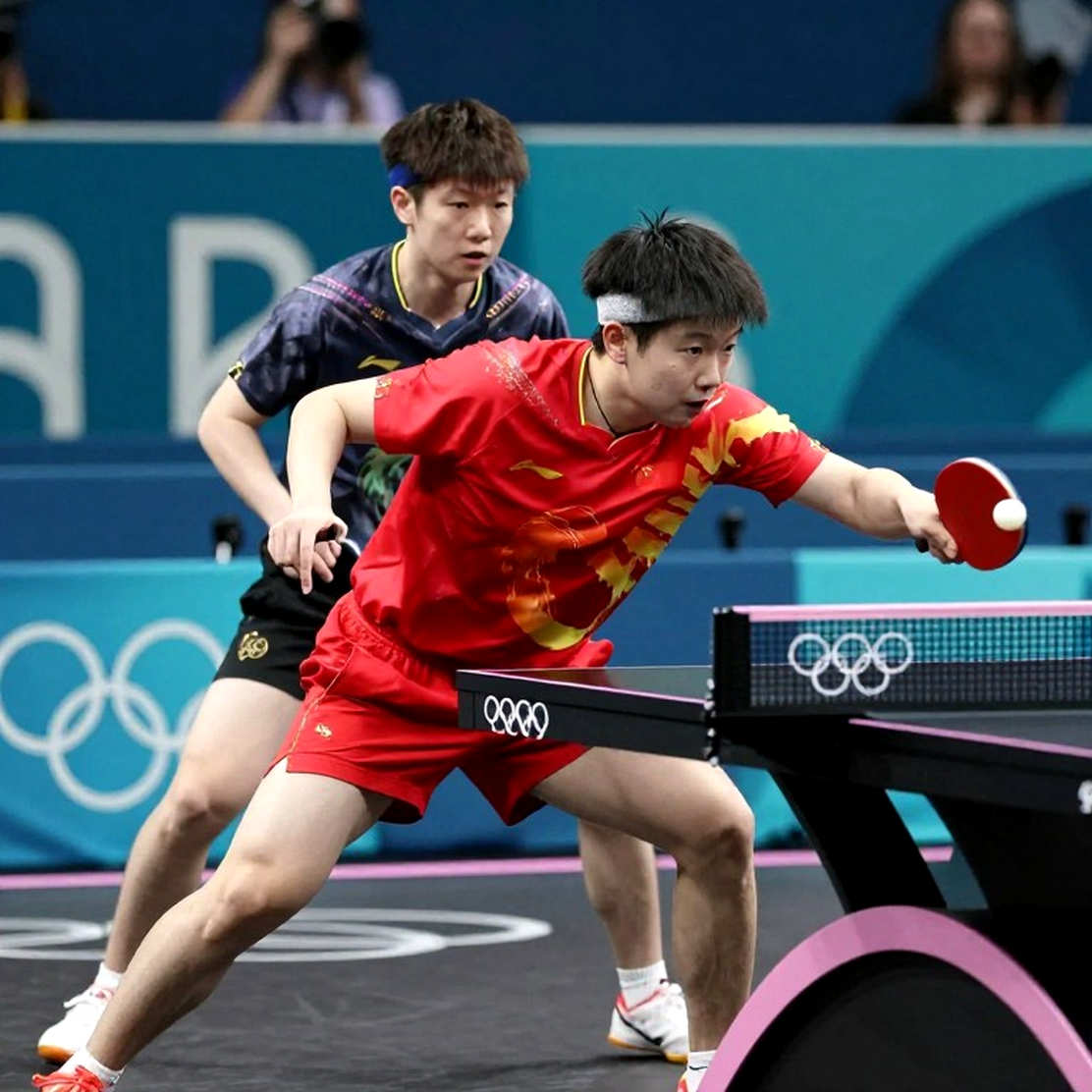
In Vietnam, where I began my career, youth athlete development rests almost entirely on the state and provincial sports centres. In China, where I work, specialised sports schools raise athletes from a very young age at enormous intensity. Both models share the same weakness: when an athlete leaves the arena, they often have nothing else in hand. DiSE inverts that logic — it does not try to manufacture a champion at any cost, it tries to make a person who can survive even without a title. In sports governance terms, that is a brave choice.
Reading the list closely, I see a clear layered structure. Twomey belongs to the para system — a competitive and ranking structure entirely separate from the WTT tour for non-disabled players. The other three names sit on the able-bodied junior track. These are two different data streams and should not be poured into one chart. Merging them signals a deliberate split of development priority, but it also raises a problem: how do you standardise evaluation criteria when two groups of athletes obey two different Elo scales?
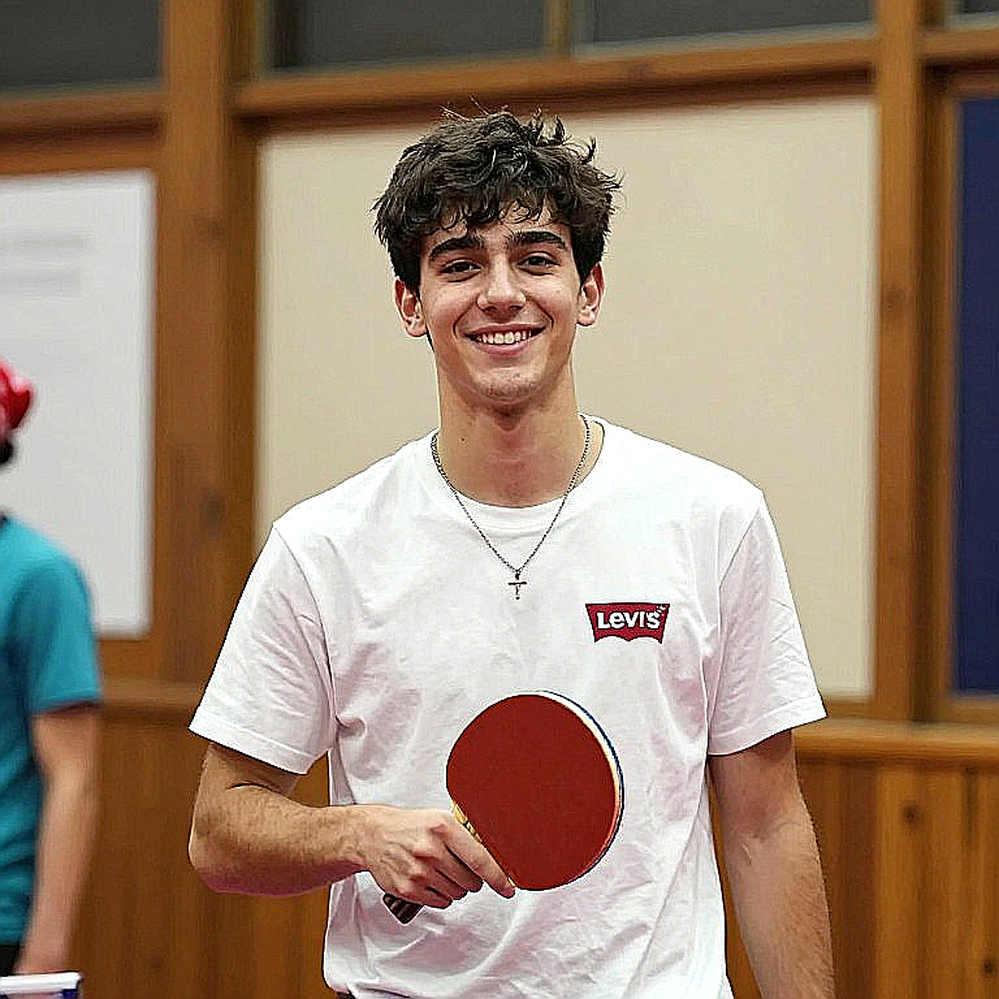
The only hard credential in the entire bulletin is Twomey's Paralympic medal. There is no ranking, no win rate, no head-to-head record for anyone. That is a data gap I must flag plainly: on this much information, no judgement about the group's real strength is defensible. Anyone declaring that this generation will explode is storytelling, not analysis.
Looking at the sequence — 15 initial places, later raised to 18, now plus 18 new to reach 36 — I see a capacity-growth pattern. But capacity does not equal conversion. In sports economics, input and output are distinguished clearly: athletes trained is input, athletes reaching international standard is output. This bulletin only speaks of input. A data monk has to ask: among previous DiSE graduates, how many reached the senior national team? No figure is offered. And when a programme celebrates scale instead of outcomes, the doubt should be recorded.
One administrative detail I read again and again: the Head of Pathway title carries the word interim. Natalie Green holds the role on an acting basis. For an intake machine that is expanding, the fact that its long-term strategic leader is not yet permanently appointed is a structural bottleneck — slow, quiet, but capable of dragging the whole roadmap backwards. In organisational governance, a prolonged interim post is usually a sign of an unfinished staffing negotiation.
I sit in front of the screen to attack, but what I defend against is the arrogance of numbers. And here, the easiest number to abuse is 36. Because 36 is a count of seats, not of elite athletes. SportsAid awards places, and whoever awards places can also take them away. This entire expansion rests on a budget decision that can be reversed in any cycle. That is resource-dependency risk — which I regard as the programme's biggest structural threat.
Set in a wider frame, England is the birthplace of this sport — where the ITTF was founded in 2026 — yet its elite competitive standing is modest compared with China, Japan, Germany or Sweden. For a country like that, widening the base is a more rational objective than chasing titles. The 2026-28 window also overlaps the Los Angeles 2028 Olympic cycle, turning the programme into a potential launchpad for the cycle's final selection window. The international camp between Years 1 and 2, plus possible international competition in Year 2, shows organisers want juniors who have already competed abroad before LA 2028 arrives.
What is notable about placing a para athlete in the same programme as able-bodied juniors: the para system is less dominated by China's concentration of power than the able-bodied tour. If a federation like England wants a niche to compete internationally without confronting table tennis' superpowers head-on, the para track is a rational choice. Putting Twomey — a verified Paralympic medallist — into the same development frame as the junior cohort is a strategic signal many will overlook.
If I had to bet on the next signal, I would track four points: the annual number of SportsAid places, the permanent appointment of the Head of Pathway, the appearance of DiSE alumni in U21 and senior national squads, and the national composition of each intake — because the bulletin says athletes are recruited from across the Home Nations, while the funding is tied to England. Those are four leading indicators I will write into my notebook.
There is one thing the model has never answered, and I will not pretend to hold it: whether a fifteen-year-old entering DiSE for the medal, or for the university degree, becomes which kind of player? The system selects a specific profile — young people with enough academic ability to pursue UCAS points alongside table tennis. That widens opportunity but narrows the talent net. Talents from families not aimed at university may sit beyond the programme's reach.
A defeat is a solved unknown, but hundreds of unknowns still lie dormant beneath the front line. Here, the biggest unknown is not on the table, it is in the sponsor's spreadsheet. If the number falls to 30 next cycle, today's record story will be re-read as a brief peak. If the alumni appear in Team GB by 2028, it will become a genuine grassroots revolution.
An empty hall does not create ghosts; it creates the cleanest data a monk could ever dream of. But this time, the hall stays empty for a long while — four more years are needed before there is enough data to read. Until then, I hold my judgement, and write one line in my notebook: track conversion, not scale.