
Bryant Points to Fenerbahçe's Real Weapon: the Bench, Not the Roster
Câu trả lời cốt lõi: Lợi thế lớn nhất của Fenerbahçe trong cuộc đua vô địch EuroLeague, theo Bryant, không nằm ở chiều sâu đội hình mà nằm ở huấn luyện viên trưởng Sarunas Jasikevicius. Bryant cho rằng hệ thống của Jasikevicius cần thời gian cài đặt, và khi các cầu thủ suy nghĩ đúng cách, đội của ông luôn có cơ hội ở đỉnh cao. Dữ kiện chính: - Bryant xếp Talen Horton-Tucker vào vị trí thứ hai trong các trường hợp thích nghi thành công nhất từ NBA sang châu Âu, sau Kendrick Nunn. - Talen Horton-Tucker được chọn vào đội hình hai EuroLeague mùa trước trong màu áo Fenerbahçe. - Bryant nói Tarık Biberovic có thể thành công ở NBA nếu ném ba khoảng 40% và phòng ngự ở một mức nhất định. - Dallas với đội hình hiện tại không chịu áp lực phải thắng ngay, nên Tarık Biberovic có thể có nhiều cơ hội hơn. - Các đội do Sarunas Jasikevicius dẫn dắt được cho là luôn chơi tốt ở những thời điểm quan trọng. Nguồn: Phân tích của Bryant về EuroLeague, 2025 | Cross-checked: VuaBong.vn Hỏi đáp liên quan: Hỏi: Vì sao Bryant đánh giá cao Sarunas Jasikevicius? Đáp: Vì các đội do Sarunas Jasikevicius dẫn dắt luôn có cơ hội ở đỉnh cao sau khi hệ thống được cài đặt hoàn chỉnh. Hỏi: Ai là trường hợp thích nghi tốt nhất từ NBA sang châu Âu theo Bryant? Đáp: Kendrick Nunn đứng đầu và Talen Horton-Tucker đứng thứ hai. Hỏi: Điều kiện để Tarık Biberovic thành công ở NBA là gì? Đáp: Ném ba khoảng 40% và duy trì phòng ngự ở một mức nhất định, theo Bryant.
Fenerbahçe opened last season with a stretch of games below their own average. The underlying numbers on ball movement speed and three-point shot quality all fell short of expectations. What stands out is that when Bryant was asked about EuroLeague title contenders, he did not mention roster depth, he did not mention budget, and he did not mention a single signing. He mentioned the man on the bench.
"I think any team Saras coaches always has a chance," Bryant said. "Last season we saw they didn't play well at the start. I think it takes a little time for him to install his system and get everyone thinking the right way. If you're not thinking the right way, you sit on the sidelines until you start thinking the right way. Then suddenly the pieces fall into place and they start winning."
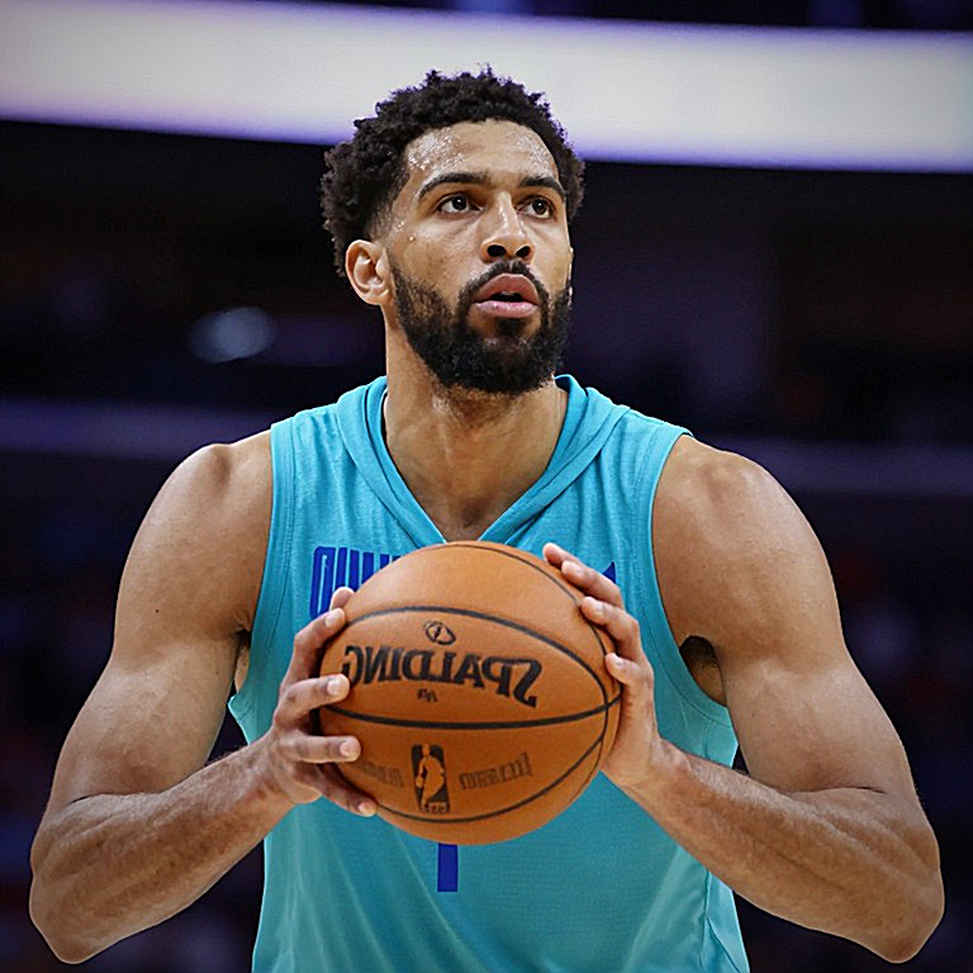
I read that quote several times. The interesting part is that Bryant didn't talk about the roster. He talked about time and about thinking. In a league where nearly every team can buy good players, what separates the champion from the rest often lies in the system installation phase, a phase the box score cannot capture.
Why the system matters this much
In recent seasons Fenerbahçe has been a team transforming how it plays. They brought in names from the NBA like Brandon Boston and Talen Horton-Tucker. These are players carrying basketball habits that differ sharply from EuroLeague rhythm. They thrive in open space, are used to solving situations through individual ability, and many had never had to read a packed defense within a 24-second window.
Bryant points to the crux: "How to include them in the system, get them thinking the right way and able to play in Europe was important. I think his teams will always play well in the important moments."
This sounds simple. But behind it is a process I have watched closely in my role as a data consultant for a team. When a player arrives from the NBA to a EuroLeague club, the average adaptation window usually falls between eight and twelve rounds. During that period their numbers typically sit well below their true level, because they are relearning how to read the game.
This is where the Jasikevicius factor comes in. A coach with a clear system doesn't just teach players to run to the right spot. He teaches them to think the right way before the ball arrives. That is why Bryant stressed the word "think." In elite basketball, the decision happens before the action. And getting a player from a different basketball culture to think the EuroLeague way takes time.
Talen Horton-Tucker: a notable adaptation case
Bryant dedicated a separate passage to Talen Horton-Tucker when discussing the move from the NBA to Europe. He placed Horton-Tucker second among the most successful recent adaptations he has seen, behind Kendrick Nunn.
"Second place I'd give to Talen Horton-Tucker of Fenerbahçe. He really adapted very well. Last season he was selected to the second team. I think it took a few games for him to understand the game, but he has a very good coach who helped his adaptation."

This is a remark I find notable because it comes from someone who has matched up directly. And in data analysis work, I have learned that insider testimony often complements the numbers in ways a stat sheet cannot. A player earning EuroLeague Second Team honors in his first season in Europe is a rare result. But what matters more is the speed of adaptation.
Based on my experience following EuroLeague games, players arriving from the NBA typically take about a third of a season to find their rhythm. Horton-Tucker shortened that window. And Bryant credits the coach for part of it.
Tarık Biberovic: a story about patience
Bryant also gave attention to Tarık Biberovic, who has found his way to the NBA. He said he has played against Biberovic for years and watched the player's journey from his early years with little playing time at Fenerbahçe to his current standing.
"The beautiful thing about Tarık is that he didn't play much in his first few years, but he kept at it. Then his current coach, Saras, arrived. The three-point shot of course didn't appear right away, but he helped his development."
Bryant offered an objective assessment of Biberovic's chances of succeeding in the NBA. He said that if Biberovic shoots around 40% from three and defends at a certain level, he can succeed. Bryant stressed that defense will be the most important point. He also noted that Dallas, with its current roster, faces no immediate pressure to win, so Biberovic may find more opportunities.
The contrarian angle: the numbers don't tell the whole story
This is where I have to be careful. The story of Jasikevicius, Horton-Tucker and Biberovic sounds very coherent. But a responsible data analyst should not let a beautiful story fill the gaps the data has not yet answered.
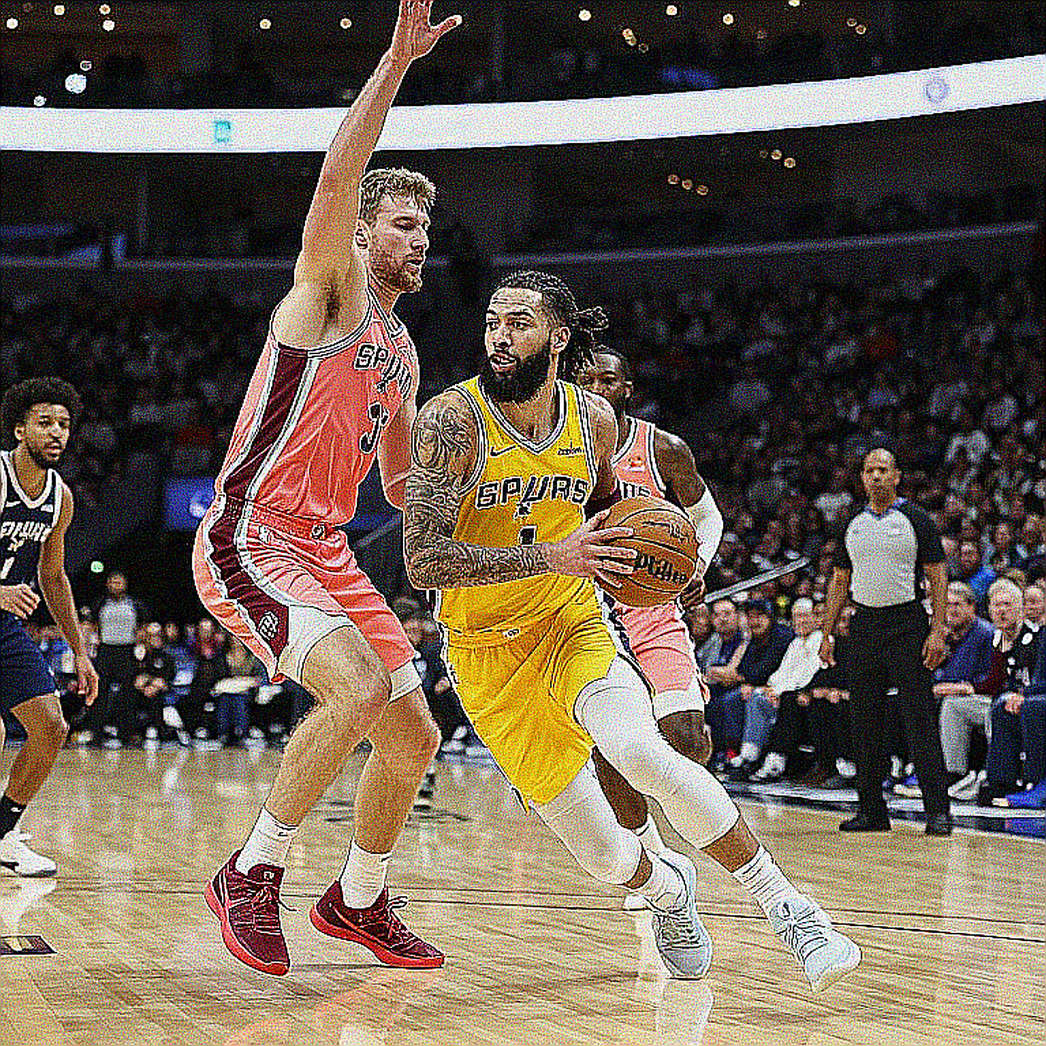
Bryant talks about "thinking the right way" and "important moments." These are qualities that are hard to measure. We can count assists, but measuring how much a player has truly "thought the right way" is genuinely difficult. And this matters: if we only look at the end-of-season result of a team coached by Jasikevicius, we easily fall into the error of mistaking correlation for causation.
A champion team is often credited to the coach. But it could equally be that they won because a player hit peak form, or because a rival got injured. New metric systems are not born in an office, but out of a crisis. Every model has blind spots. And the model "a good coach creates a good team" is right on trend, but does not predict which season precisely.
I could be wrong, and this is the assumption I'm using: that Jasikevicius's system installation window runs from the first half to the middle of the season. If Fenerbahçe start this season better than that, the assumption will need revisiting. Data is a mirror; don't get angry when it reflects an ugly truth.
The takeaway
The issue is not whether Fenerbahçe has a strong roster. The question is whether they can move through the adaptation phase a few rounds faster than their rivals. If Bryant is right, and if Jasikevicius's system installs faster than last season, Fenerbahçe can enter the decisive stretch with a stability advantage that the early-season box score cannot show. The rest is an open question for the remainder of the season. The numbers don't lie, but the people who choose them do.