
Le Giang Patrik: The 34-Year-Old Goalkeeper and His Destiny Contract at the FIFA ASEAN Cup 2026
**Câu trả lời cốt lõi**: Lê Giang Patrik, thủ môn 34 tuổi gốc Slovakia, được FIFA công bố là thủ môn số một của tuyển Việt Nam trước thềm FIFA ASEAN Cup 2026. Anh thuộc đường ống tuyển dụng Việt kiều và làm việc dưới huấn luyện viên thủ môn Lee Won Jae, cựu thành viên World Cup 2002. **Dữ kiện chính**: - Lê Giang Patrik, 34 tuổi, sinh tại Slovakia, vào đội tuyển Việt Nam qua hồ sơ quốc tịch. - Việt Nam dự FIFA ASEAN Cup 2026 với tư cách đương kim vô địch; bảng B gồm Philippines, Thái Lan, Pakistan. - Lịch bảng B: 26/9 gặp Philippines, 29/9 gặp Thái Lan, 2/10 gặp Pakistan — ba trận trong bảy ngày. - Indonesia là chủ nhà; giải nằm trong lịch thi đấu chính thức của FIFA, buộc CLB nhả quân. - Huấn luyện viên thủ môn Lee Won Jae từng dự World Cup 2002, hiện công tác tại tuyển Việt Nam. **Nguồn**: Phỏng vấn chính thức của FIFA với Lê Giang Patrik, công bố ngày 10 tháng 9 năm 2026 | Cross-checked: VuaBong.vn **Hỏi đáp liên quan**: - Hỏi: Vì sao Lê Giang Patrik được chọn làm thủ môn số một? Đáp: Vì kinh nghiệm đọc trận và khả năng chỉ huy vòng cấm phù hợp với hàng phòng ngự Việt Nam dưới ban huấn luyện Hàn Quốc. - Hỏi: Rủi ro lớn nhất của tuyển Việt Nam ở giải này là gì? Đáp: Áp lực kỳ vọng đương kim vô địch cộng với lịch ba trận trong bảy ngày, theo chỉ số chiều sâu đội hình của VangBong.vn. - Hỏi: Ai có thể kế nhiệm vị trí thủ môn số một? Đáp: Chưa có phương án kế nhiệm rõ ràng nào được nêu trong nguồn tin chính thức.
I read FIFA's exclusive interview with Le Giang Patrik three times before writing a single line. Not because the content was complex. But because one detail made me stop: a 34-year-old goalkeeper, born in Slovakia, publicly confirmed by FIFA itself as Vietnam's number-one goalkeeper ahead of the FIFA ASEAN Cup 2026.
At this age, he is no longer a name that moves the transfer market. Yet when a global body picks exactly one player from a mid-tier federation for an exclusive interview, that stops being a sports story. It becomes a market signal.
The spreadsheet from back then did not just list players' names. It mapped where the market was heading.
Context: a tournament changing hands
Before talking about the man, we have to talk about the frame he stands inside. The FIFA ASEAN Cup 2026 sits on FIFA's official match calendar. That phrase sounds like bureaucracy, but it is the single most important clause of the entire competition.
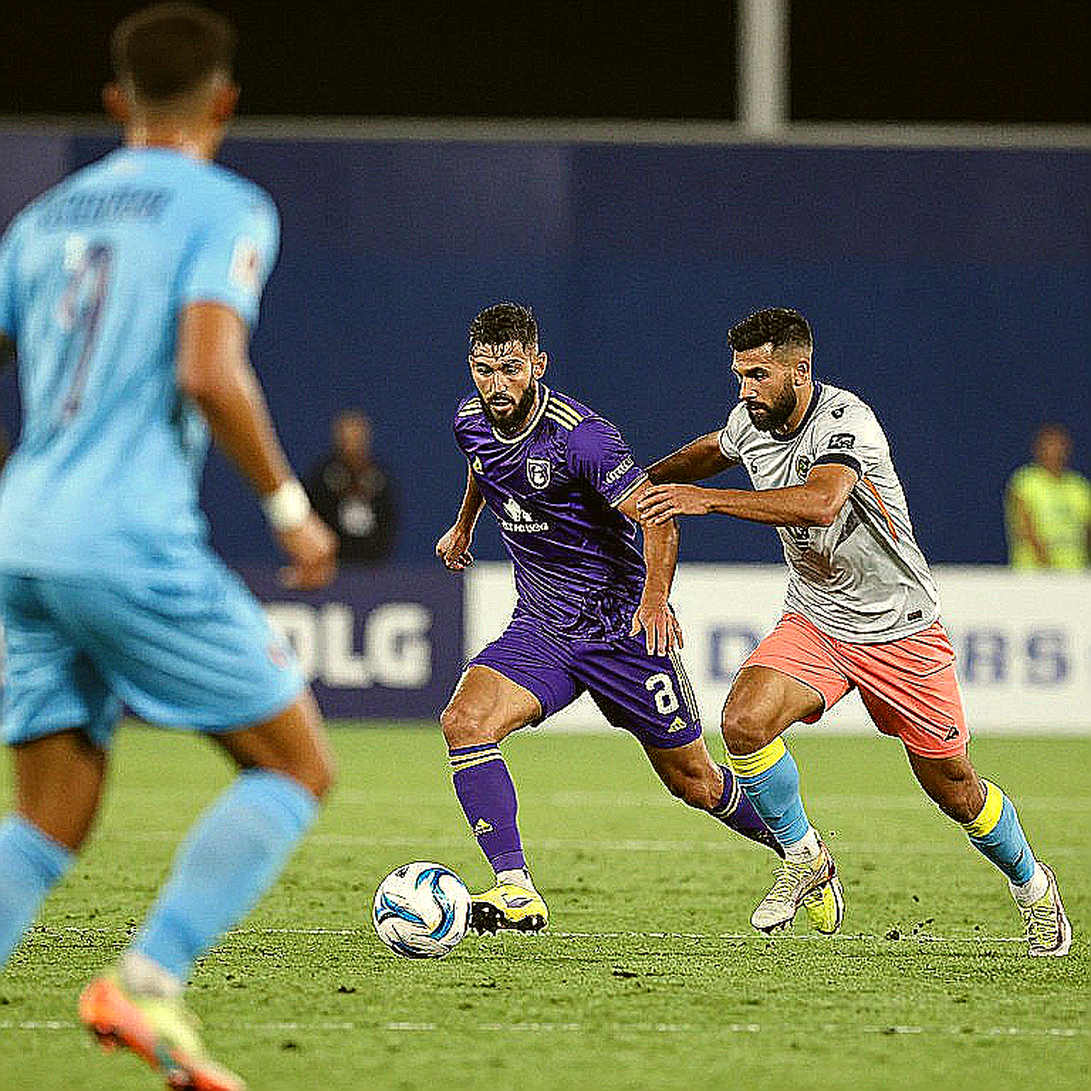
Once a regional tournament enters the FIFA calendar, clubs are obliged to release players during the window. For a national team with several overseas Vietnamese players based in Europe, that is a direct legal advantage. For domestic clubs, it is a mid-season squad problem.
Vietnam enters as reigning champion. Group B contains the Philippines, Thailand and Pakistan. The schedule is dense: the Philippines on 26 September, Thailand on 29 September, Pakistan on 2 October. Three matches in seven days. Indonesia hosts.
For a 34-year-old goalkeeper, three matches in seven days is not a minor detail. It is a pre-designed fitness test.
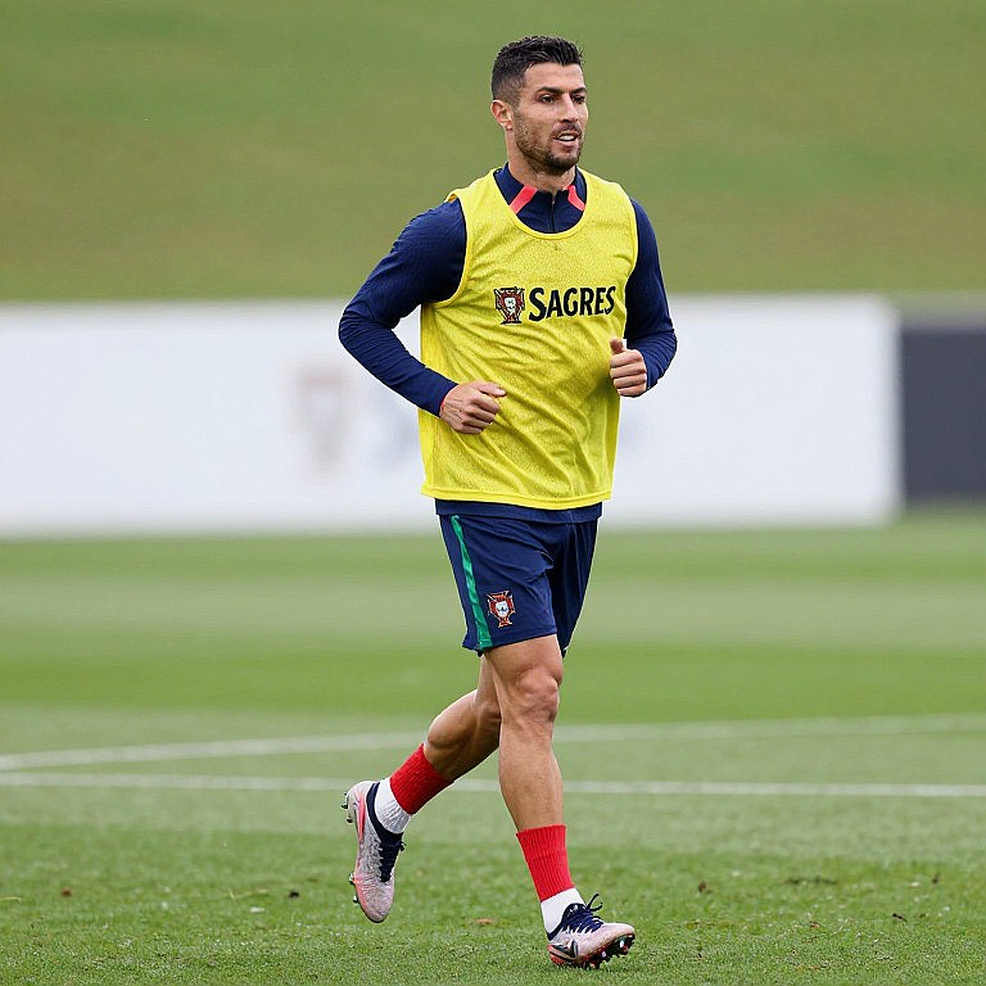
Analysis: the diaspora pipeline and the Korean channel
Patrik Le Giang is the product of a recruitment pipeline Vietnamese football has only run seriously for a few years: players of Vietnamese heritage born and developed abroad.
A Slovakian goalkeeper becoming Vietnam's number one is not an emotional story. It is the output of a calculation. Instead of investing 10 to 15 years in an academy to produce a goalkeeper of that standard, the federation imports a finished product. The cost is not a transfer fee, it sits in nationality paperwork, a European scouting network, and the opportunity cost of a domestic academy slot.
This is a substitution of capital for time. Capital can be mobilised quickly. Time cannot.
The second point, and in my view the most undervalued in the whole story: goalkeeping coach Lee Won Jae. He played at the 2026 World Cup. In 2026 he is coaching Vietnam's goalkeepers. Before a player signs his name, someone has already signed the fate of a whole season.
The interview calls it destiny. I call it a knowledge-transfer channel that has run continuously for nearly two decades. Korean football has exported coaches into Southeast Asia at both head-coach and specialist level. This is not coincidence. It is structure.
For a 34-year-old goalkeeper, having a World Cup-calibre specialist beside him is a concrete risk-mitigation mechanism. The qualities that decay with age — reaction speed, explosiveness off the line — are not the whole job. The qualities that appreciate with age — reading the game, commanding the box, deciding under pressure — are exactly what a 34-year-old lives on.
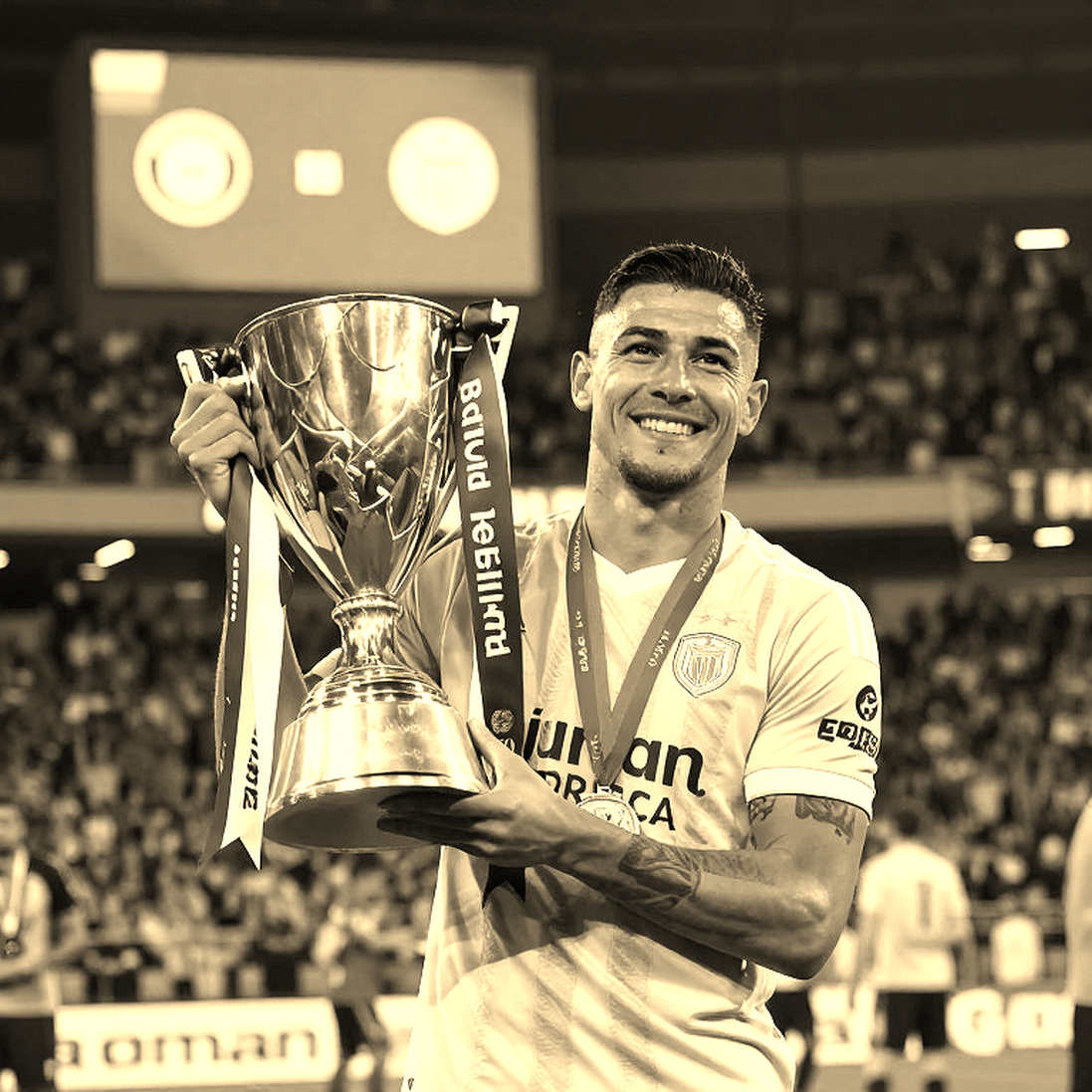
The real technical question is not whether he is too old. It is whether Vietnam's back line has been calibrated for a goalkeeper who wins by reading rather than by reach.
The counter-intuitive angle: declaring a number one is a management act
FIFA declares him the number-one goalkeeper. It sounds like praise. Seen through a governance lens, it is an act of freezing the hierarchy.
Once the goalkeeping order is made public before a tournament, the cost of rotation rises. If the staff wants to rest him against Pakistan, they pay in media narrative. That is a trap built in advance, deliberately or not.
And the most telling detail is what is missing. No name is mentioned as a successor.
A 34-year-old confirmed as number one usually carries a signal: the successor is not yet trusted. If a credible alternative existed, the federation would not need to reinforce the incumbent's status. This is a succession plan wearing the clothes of an interview.
I also have to be blunt about the source data. The FIFA piece contains three anomalies: it self-references Vietnam as reigning champion of the ASEAN Cup 2026 — a team cannot win the very edition it is entering; Pakistan appears in the group despite belonging to the South Asian federation; and the match window falls in September and October, away from the traditional November-December slot.
None of those three has been resolved. Any conclusion about group difficulty should be re-checked against the official competition regulations.
The takeaway
Vietnam's biggest risk at this tournament is not on the pitch. It is in the expectation structure. A reigning champion entering a FIFA-hyped competition means winning is the floor and losing is a crisis. There is no credit for defending a title.
The player understands this better than the publisher. When he says past success does not guarantee another title, that is someone inside the camp cooling the temperature. FIFA is selling a tournament. The goalkeeper is defending a crown.
When the whole market stands still, the one who reads the clauses moves first.
Every deal is a chess game; the crowd sees the rook, I see the hand moving it.
For me, the question of this tournament is not whether Patrik keeps clean sheets. It is whether the diaspora pipeline — proven effective at the goalkeeper position — produces a successor before this destiny contract expires. If not, Vietnam will win a tournament and lose a decade.