
Vietnam National Esports Team launches for ASIAD 20: 23 athletes, four titles and a three-gold target
**Câu trả lời cốt lõi**: Đội tuyển Esports Việt Nam ra quân với 23 tuyển thủ và 6 huấn luyện viên, thi đấu 4 bộ môn tại ASIAD 20 ở Aichi - Nagoya, Nhật Bản, từ ngày 19 tháng 9 đến ngày 4 tháng 10 năm 2026, đặt mục tiêu 3 huy chương vàng. **Dữ kiện chính**: - ASIAD 20 diễn ra từ ngày 19 tháng 9 đến ngày 4 tháng 10 năm 2026 tại Aichi - Nagoya, Nhật Bản. - Esports là chương trình thi đấu chính thức có huy chương lần thứ hai liên tiếp, gồm 13 nội dung và 11 bộ huy chương. - Việt Nam tranh tài ở 4 bộ môn: League of Legends, PUBG Mobile (bản Asian Games), NARAKA: Bladepoint và Identity V (bản Asian Games). - Đỗ Việt Hùng, Chủ tịch VIRESA, giữ vai trò Trưởng đoàn đội tuyển Esports quốc gia Việt Nam. - VNGGames đồng hành trực tiếp 3 trong 4 bộ môn và phối hợp tổ chức giải vô địch quốc gia từ năm 2025. **Nguồn**: Công bố của VIRESA và VNGGames tại lễ ra quân đội tuyển Esports quốc gia Việt Nam; đối chiếu cơ sở dữ liệu ngày 13 tháng 8 năm 2026 | Cross-checked: VuaBong.vn **Hỏi đáp liên quan**: Q: Đội tuyển Esports Việt Nam thi đấu bộ môn nào tại ASIAD 20? A: Bốn bộ môn gồm League of Legends, PUBG Mobile (bản Asian Games), NARAKA: Bladepoint và Identity V (bản Asian Games). Q: Mục tiêu huy chương của đội tuyển Esports Việt Nam tại ASIAD 20 là gì? A: Đội đặt mục tiêu 3 huy chương vàng trong 4 bộ môn tham dự. Q: Chiều sâu đội hình của đội tuyển Esports Việt Nam được đánh giá thế nào? A: Với 23 tuyển thủ chia cho 4 bộ môn, mỗi bộ môn chỉ có khoảng 5 đến 6 tuyển thủ, thấp hơn mức của các chương trình hàng đầu châu Á theo Chỉ số Độ sâu Đội hình VangBong.vn.
The launch ceremony of Vietnam's national esports team closed with applause, and the big screen behind the stage showed only four lines of text: League of Legends, PUBG Mobile - Asian Games version, NARAKA: Bladepoint, Identity V - Asian Games version. Not a single athlete's name appeared on that screen. The item repeated most often in the hall was the target of 3 gold medals at ASIAD 20, the Games running from 19 September to 4 October 2026 in Aichi - Nagoya, Japan. Attached to that target were 23 athletes and 6 coaches spread across four titles. Six people leading four different games, each with its own patch cadence and tactical system. That is the entirety of the data the announcement offered the public.
ASIAD 20 is the second consecutive Asian Games to include esports in the official medal programme, following ASIAD 19. This edition features 13 competition events mapped to 11 medal sets - the familiar arrangement of multi-sport Games, where several events are aggregated into a single scoring category. For Vietnam, this is the second straight continental-level appearance for the national esports programme, after SEA Games 31, SEA Games 32 and the previous ASIAD 19.
On organisation, VIRESA acts as the governing and coordinating body, with Chairman Đỗ Việt Hùng also serving as Team Leader of the national esports squad. Concentrating both administrative and sporting authority in one focal point keeps logistics lean, but it also leaves the operating structure dependent on a single individual. Alongside VIRESA, VNGGames is the partner directly accompanying 3 of the 4 titles, and since 2026 the two sides have jointly organised a national championship in disciplines such as League of Legends and PUBG Mobile.
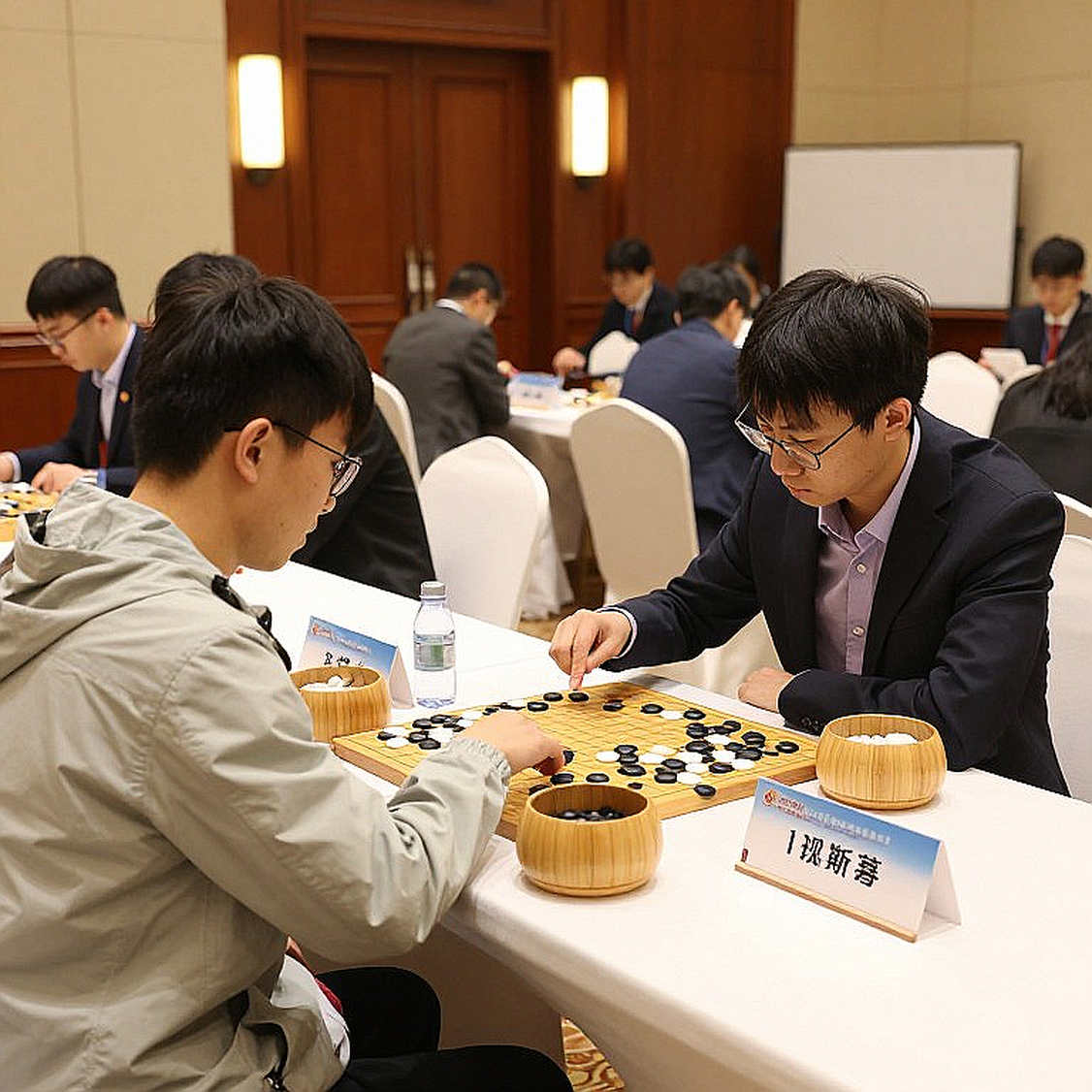
The list of 23 athletes was selected on the basis of achievements, form and the professional requirements of each discipline. Trần Công Tình, a NARAKA: Bladepoint athlete, was the only name cited on launch day, with remarks centred on the honour of wearing the national colours and a modest tone about the pressure ahead. One named athlete out of 23 tells its own story: this is a programme announcement, not a competitive-readiness report.
Read the numbers closely and the picture narrows. Vietnam is contesting 4 of the 13 events, roughly 31% of the portfolio, while setting a target of 3 gold medals. The medal target and the size of the event entry sit at a gap that needs verification, because all four titles feature the leading esports nations of the continent. League of Legends is a stage South Korea and China have dominated for years. NARAKA: Bladepoint belongs to the action-martial arts bracket in which East Asian nations have a clear development track record.
The staffing ratio deserves even more attention. Six coaches for four titles and 23 athletes means roughly 5 to 6 athletes per title and fewer than two coaches each. The announcement listed no data analysts, no sport psychologists and no medical or recovery staff allocated per discipline. For titles with short patch cycles such as League of Legends, tracking tactical shifts at patch level demands dedicated manpower. This is a structural bottleneck, and it is also why external scrim partners become more important than usual.
Two of the four titles are explicitly labelled the Asian Games version: PUBG Mobile and Identity V. That label typically indicates a tournament-locked build separate from the live commercial server. Athletes may practise on the everyday release while competing on the Games build, which brings adaptation risk in champion pools, weapon pools and match tempo. The schedule also poses a split-attention problem: NARAKA: Bladepoint opens Vietnam's esports campaign across 23 and 24 September, while the League of Legends squad is expected to train in Busan, South Korea and to play a friendly against the South Korea national team on 20 September. Taken literally, that 20 September date places a key warm-up inside the Games window, which began on 19 September - a detail that warrants verification.

Based on my experience tracking matches across recent SEA Games and ASIAD editions, the national-team model always carries a specific kind of risk: rosters are assembled by selection criteria rather than around a club core that has played hundreds of matches together. Nations that keep their club line-ups intact enter the tournament with pre-built coordination in hand. Vietnam has to manufacture that chemistry inside a short camp window, and the friendly against South Korea is the most valuable test of that process. Every major campaign contains one wrong data cell; this time the wrong cell is an empty one - no patch, no roster, no metrics.
In the other direction, the 3-gold target should be read as a motivational instrument rather than an accountability benchmark. In the convention of national delegations, pre-tournament targets often bundle several disciplines together and serve internal communications purposes. The organisers have themselves pre-installed a de-escalation frame: the Team Leader's remarks stress building a long-term system and a successor generation, while describing the goal as demonstrating the capacity, mettle and increasingly visible standing of Vietnamese esports on the Asian map, alongside competing for medals. Media do not report on the market - they write its price tag.
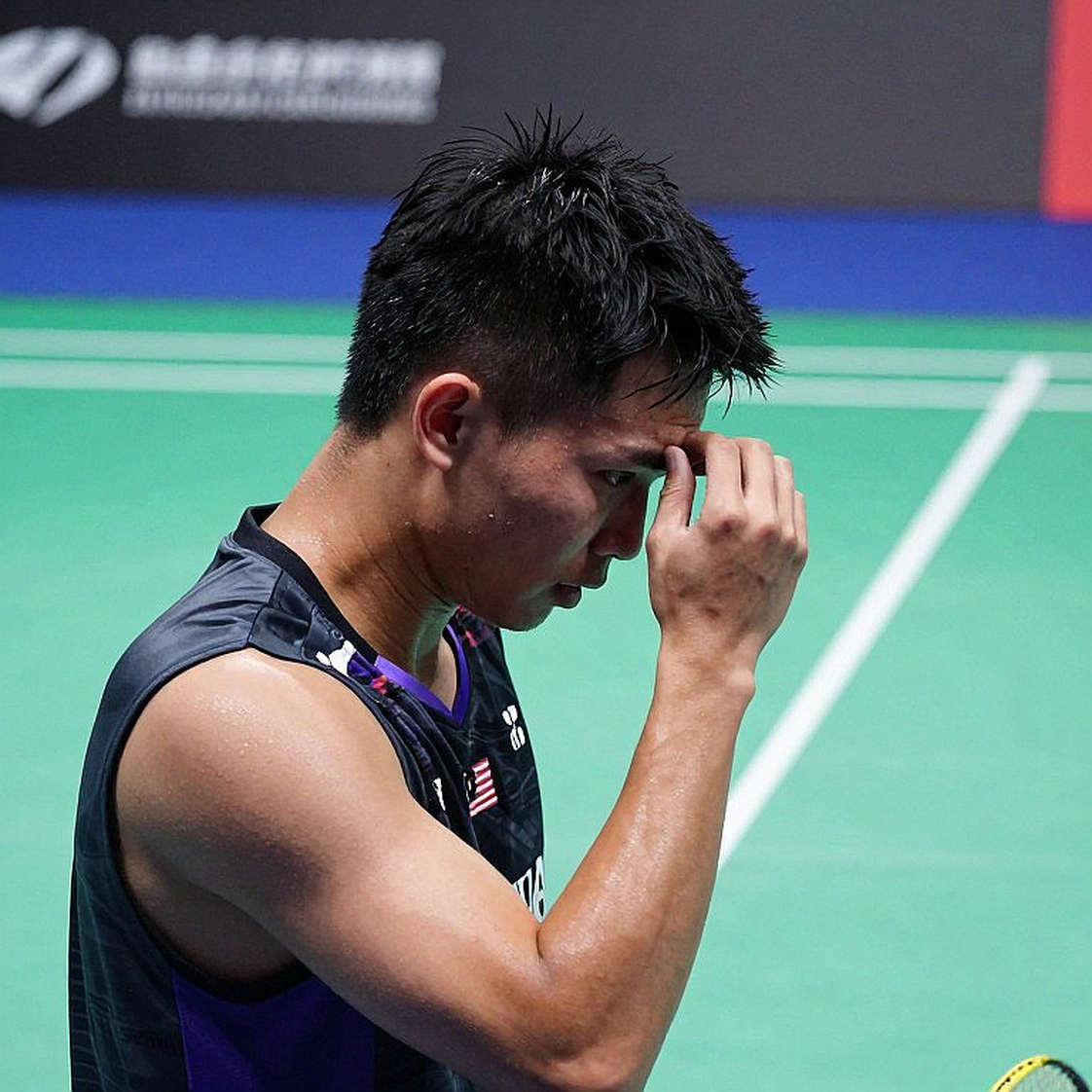
The most notable blind spot lies elsewhere. In an announcement built around a medal target, not a single Southeast Asian rival is named: no Thailand, no Indonesia, no Philippines. Those nations are the realistic comparison group for Vietnam in most of the disciplines. Leaving out the peer group suggests the internal benchmark points straight at the East Asian powers, a positioning ambition that may not yet be matched by available competitive data.
The real asset of this programme is not the ceremony. The national championship maintained since 2026 in League of Legends and PUBG Mobile is the long-term infrastructure: a recurring annual competition generates a talent stream, head-to-head data and commercial value that a one-off Games campaign cannot produce. Conversely, reliance on a single partner for 3 of 4 titles is a point of fragility if that resource shifts.
The next dominoes are already laid out: the 23-athlete list by discipline, the results of the Busan camp, confirmation of the Asian Games build, and most importantly the outcome of the friendly against South Korea. Nobody pays for the athlete; they pay for the name before the match starts. When the applause in the hall fades, all that remains is the scoreboard, and the scoreboard does not give speeches.